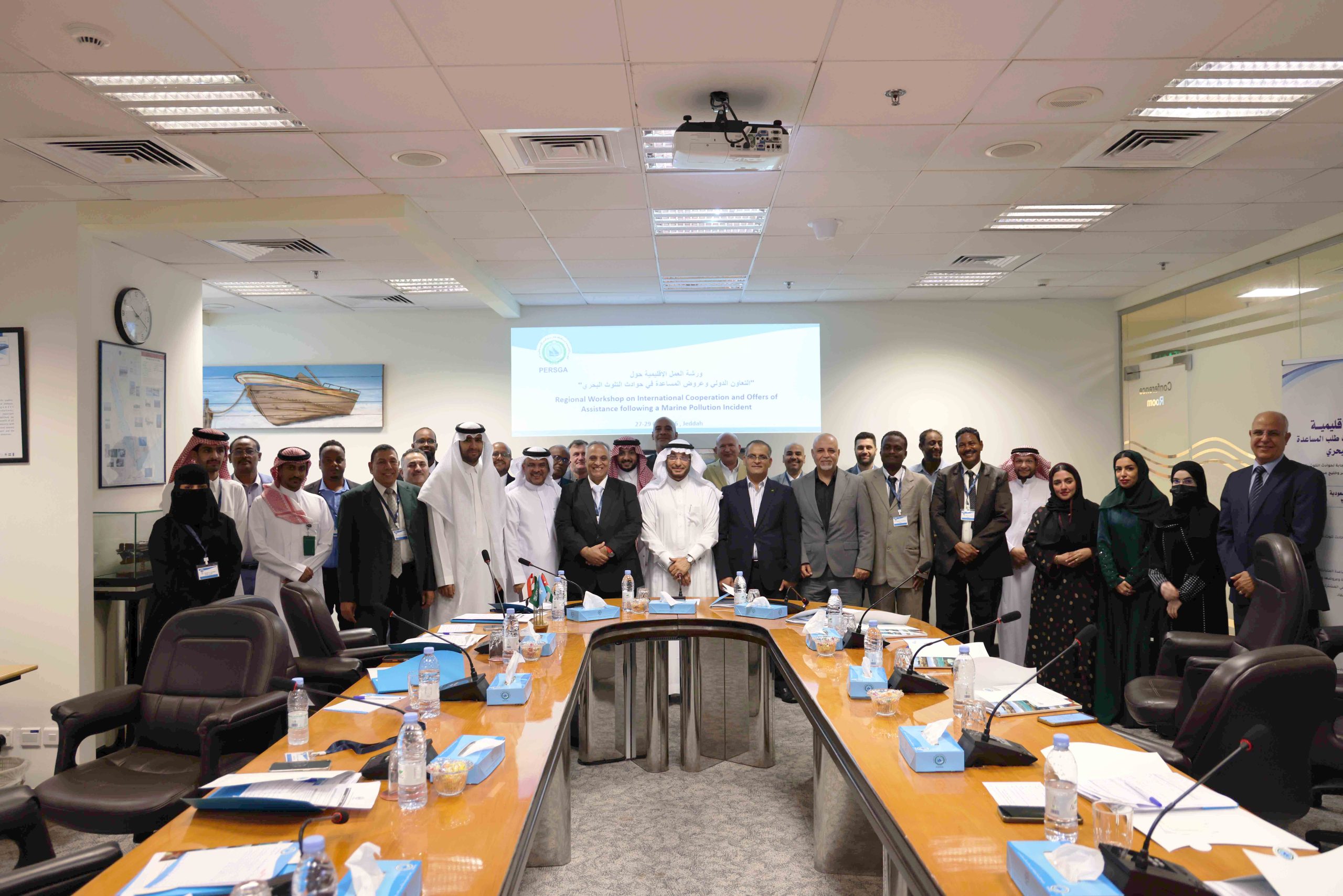
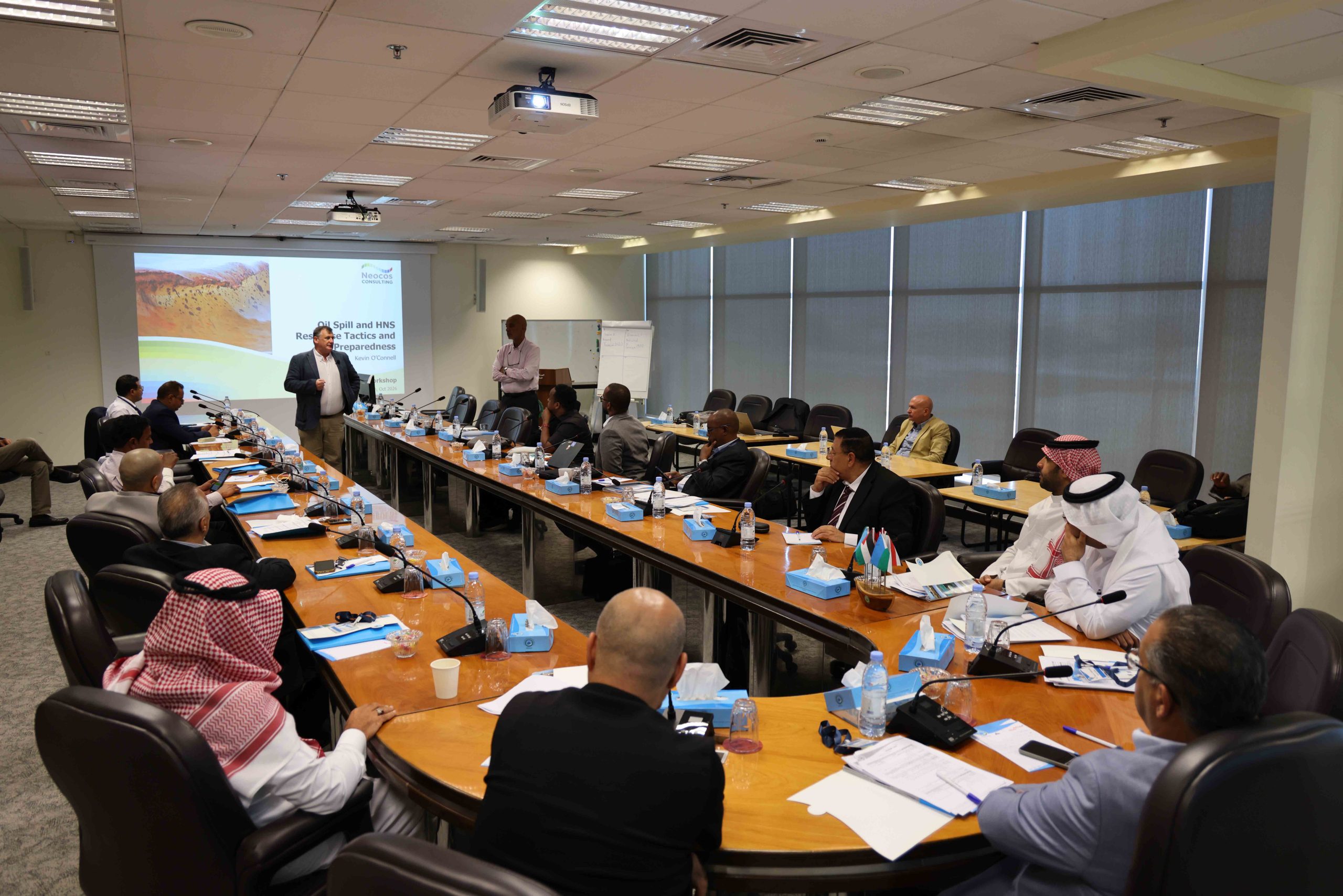
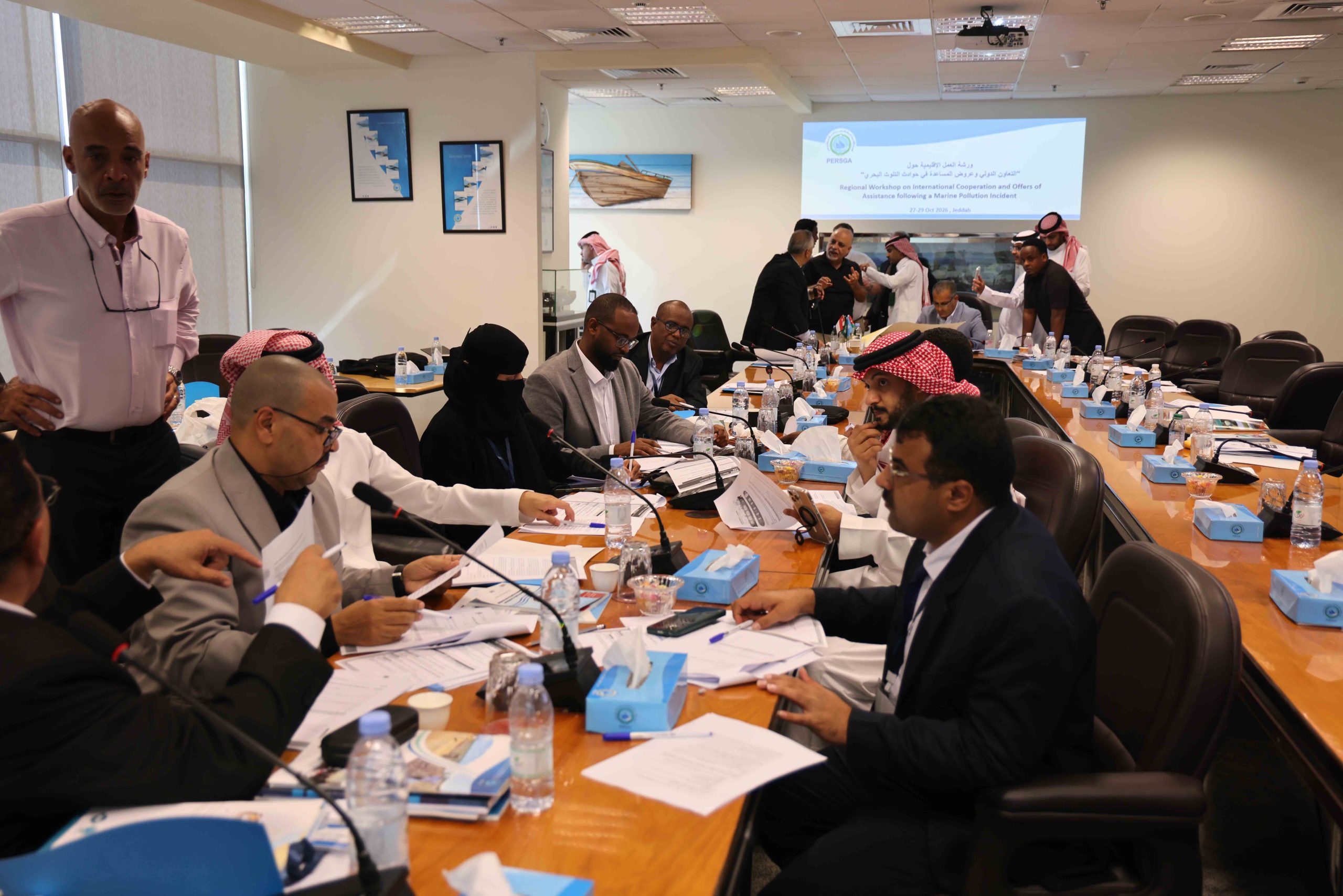
Jeddah, 29 October 2026 – The Regional Organization for the Conservation of the Environment of the ReJeddah, 29 October 2026 – The Regional Organization for the Conservation of the Environment of the Red Sea and Gulf of Aden (PERSGA) has concluded a three-day regional training workshop on International Cooperation and Offers of Assistance following a Pollution Incident, held at PERSGA Headquarters in Jeddah, Kingdom of Saudi Arabia, from 27 to 29 October 2026. The workshop brought together representatives of national competent authorities of PERSGA Member States, international experts, PERSGA experts and the Emergency Mutual Aid Centre for the Red Sea and Gulf of Aden (EMARSGA).
Around 25 participants attended, representing a range of government bodies, including ministries of environment and national authorities responsible for the marine environment and ports, from Djibouti, Egypt, Jordan, Saudi Arabia, Somalia, Sudan and Yemen.
The workshop was facilitated by an international oil spill expert, together with PERSGA experts and EMARSGA. It aimed to help PERSGA Member States turn existing commitments and guidance into practical procedures, so that they can request, offer, accept and coordinate international assistance quickly and effectively when a major oil or hazardous and noxious substances (HNS) incident occurs.
Opening the workshop on 27 October, PERSGA Secretary-General Prof. Ziad Abu Ghararah highlighted the strategic and environmental importance of the Red Sea and Gulf of Aden, one of the world’s busiest maritime corridors, linked by the Suez Canal and the Bab el-Mandeb Strait. He noted that the effects of a major pollution incident could cross national borders and exceed the response capacity of any single coastal State, making regional cooperation and well-coordinated international assistance essential.
The regional framework for cooperation is anchored in the 1982 Jeddah Convention and its Protocol concerning Regional Cooperation in Combating Pollution by Oil and Other Harmful Substances in Cases of Emergency. It is complemented by the Protocol on Technical Cooperation to Borrow and Transfer Experts, Technicians, Equipment and Materials in Cases of Emergency, whose entry into force and operationalization remain a regional priority.
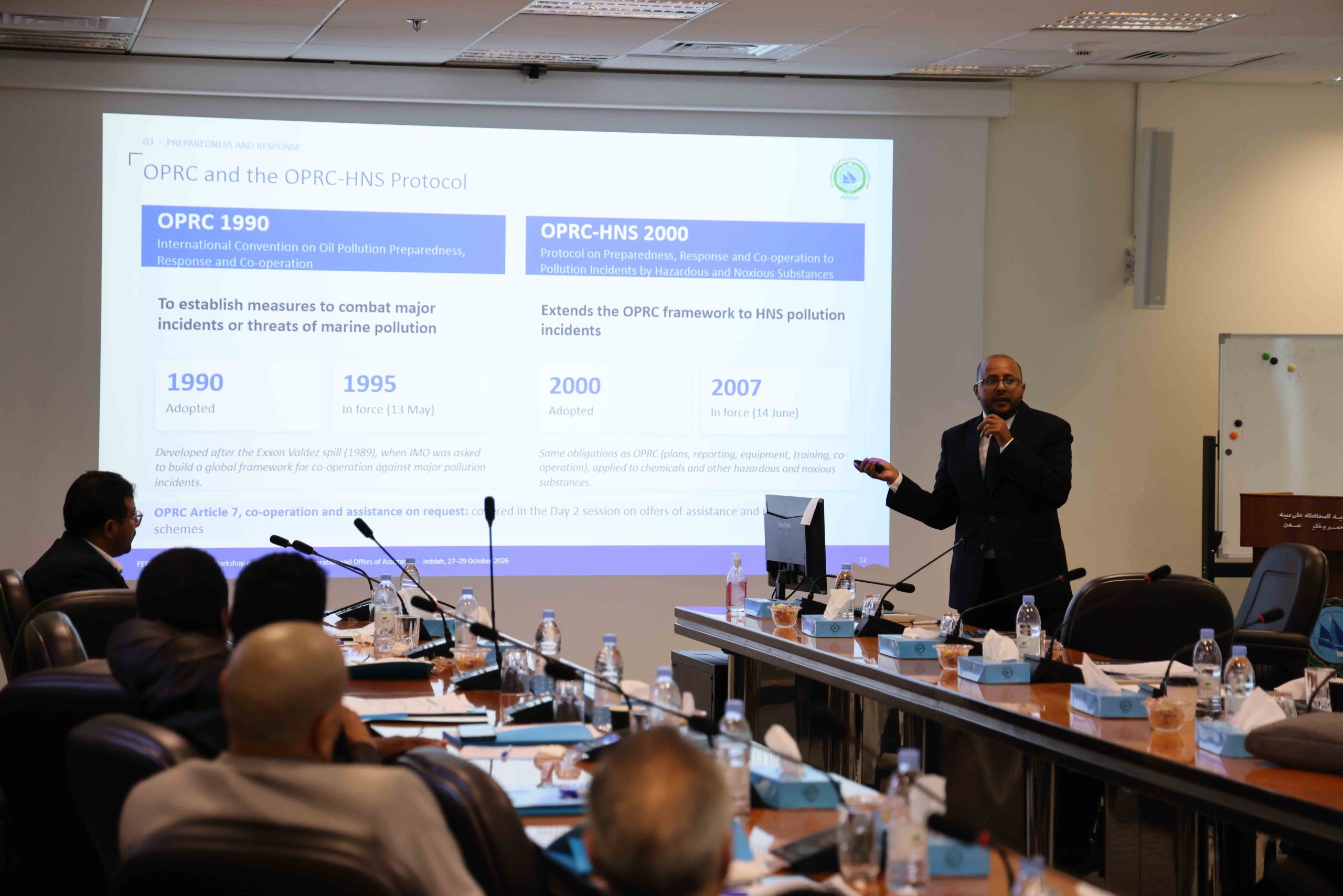
The workshop built on the outcomes of the regional workshop on oil and HNS spill preparedness and response held in Hurghada, Egypt, in May 2025, which identified the cross-border movement of response personnel, equipment and materials as a key operational challenge. The designation of the Red Sea and Gulf of Aden as a Special Area under MARPOL Annexes I and V, effective 1 January 2025, has further strengthened the case for robust pollution prevention and response measures across the region. The workshop also supports implementation of the International Convention on Oil Pollution Preparedness, Response and Co-operation (OPRC) and its Protocol on HNS (OPRC-HNS Protocol).
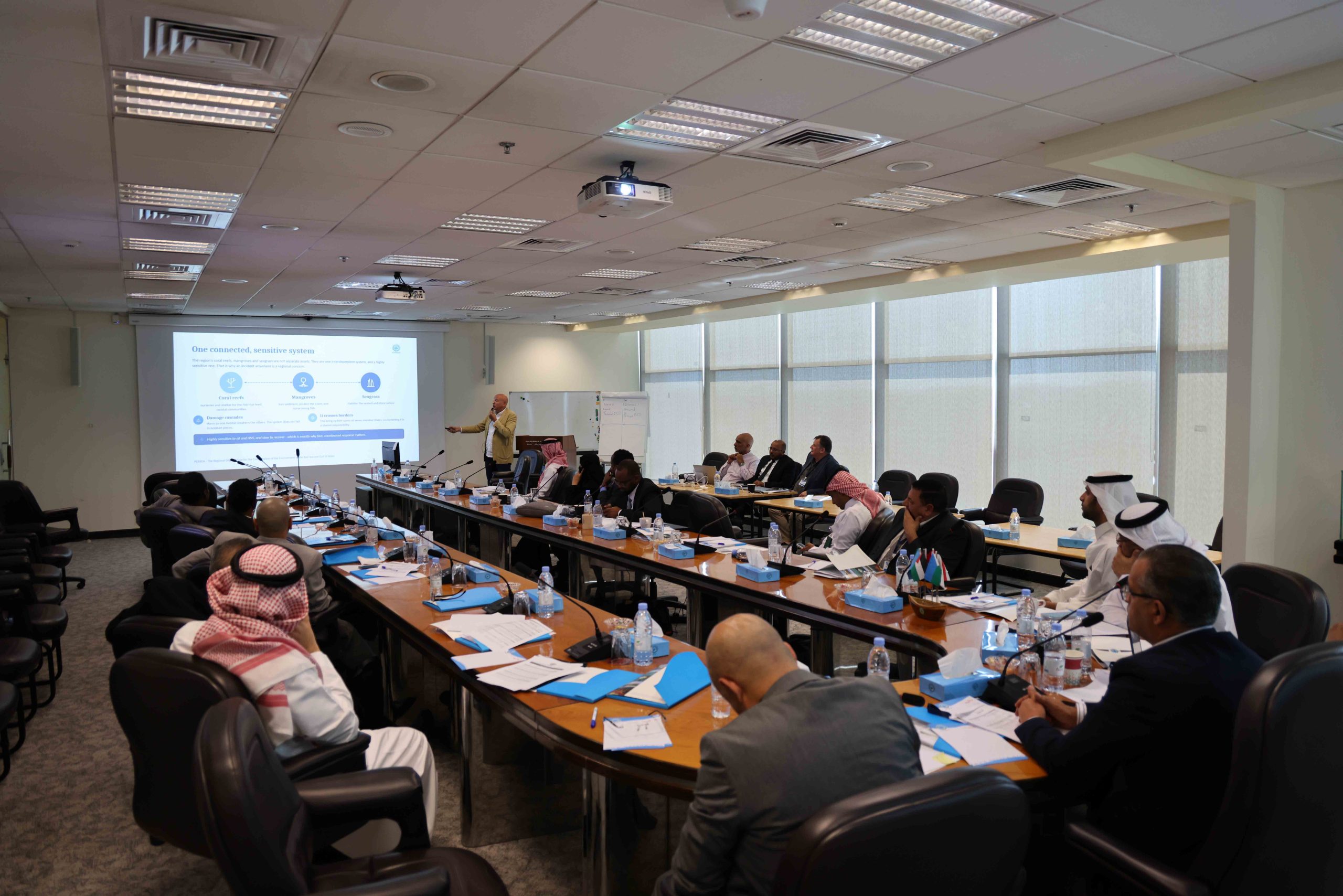
Over three days, the programme combined expert presentations, national presentations, facilitated discussions and practical exercises. It covered:
- PERSGA’s regional efforts and the international and regional legal frameworks for oil and HNS incidents;
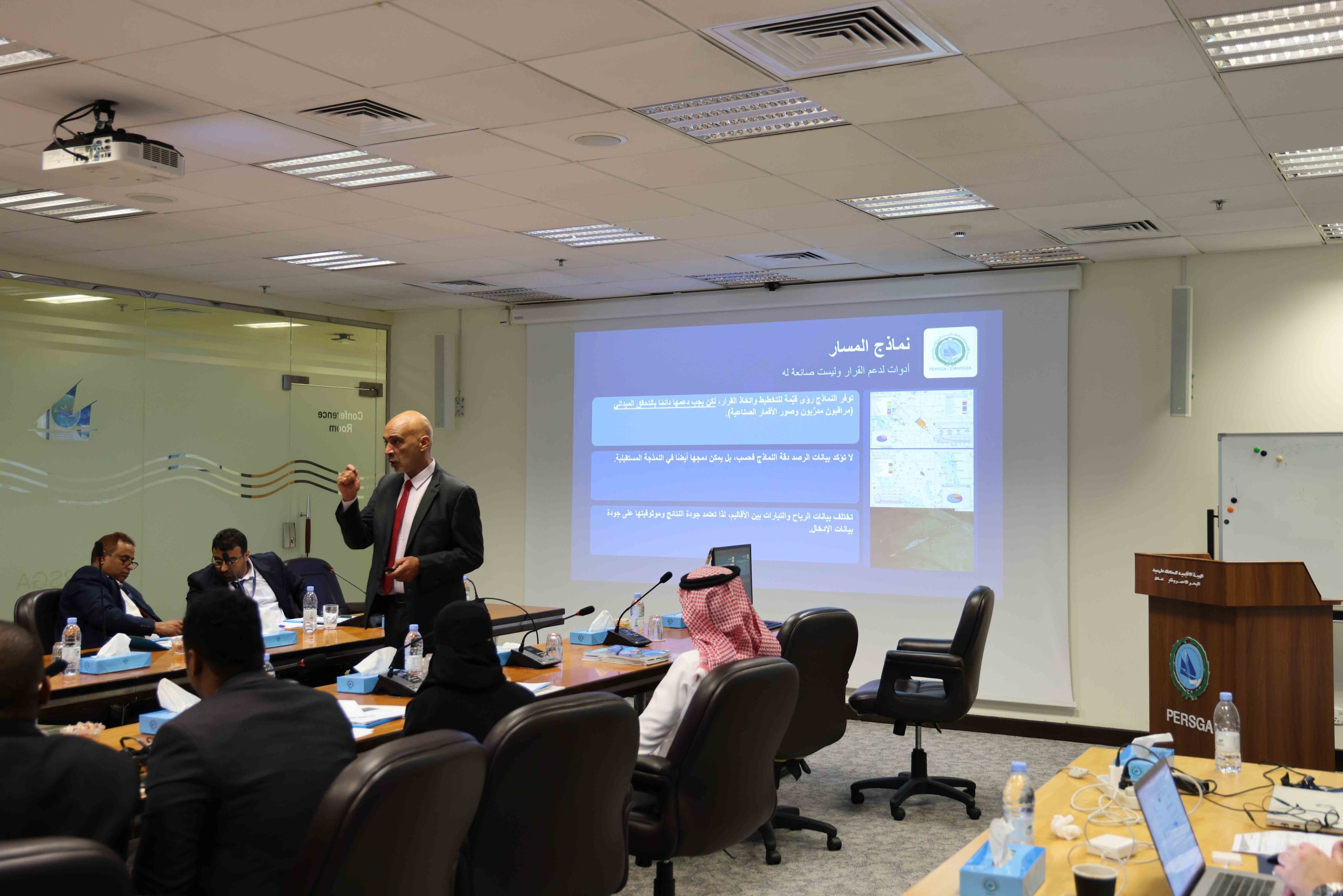
- EMARSGA’s role in regional coordination and spill modelling, and the importance of information sharing;
- national presentations by Member States on oil spill contingency plans and response frameworks;
- international guidelines and regional arrangements for requesting and offering assistance under the regional technical cooperation protocol;
- a remote interactive session with salvage companies and specialized response organizations;
- the roles of governments, industry and response organizations in transboundary incidents, claims and compensation procedures, and PERSGA’s guidance on the IOPC Funds claims manuals;
- the tiered response mechanism, practical exercises using standardized assistance request templates, and a tabletop exercise simulating a pollution incident;
- discussion of next steps and adoption of the workshop recommendations and action plan.
The remote “Meet the Responders” session brought in salvors, response organizations and maritime risk consultancy Ambrey, all with direct operational experience in the region. Participants heard first-hand lessons from recent and ongoing incidents in the Red Sea and Gulf of Aden in which international salvage and response organizations such as Oil Spill Response Limited (OSRL) and SMIT Salvage were involved, including the tanker Sounion, the ASL Bauhinia, the Magic Seas and the Eternity C, as well as the FSO Safer operation off Yemen.
Discussions focused on the practical challenges of salvage and response in a complex operating environment, the value of early coordination between coastal States and responders, and the need to simplify procedures for moving teams and equipment across borders. Salvors and Ambrey underlined that coastal States need clear, pre-agreed arrangements for places of refuge for ships in need of assistance, so that salvage and pollution response operations can proceed without delay.
At the close of the workshop, participants discussed the way forward and agreed on recommendations and an action plan to strengthen national and regional preparedness and response to major marine pollution incidents. Priorities include:
- identifying and addressing the operational, administrative and logistical barriers that can delay the cross-border movement of response personnel, equipment and materials;
- supporting completion of the steps needed for the regional Protocol on Technical Cooperation to enter into force and be operationalized;
- promoting wider use of standardized procedures and templates for requesting, offering, assessing and coordinating international assistance.
At the closing session, participants evaluated the workshop, and the results showed their satisfaction with the content and organization of the three days. Participants received certificates and USB flash drives containing the training materials and presentations.
PERSGA thanked the Member States for their active participation and the international expert and speakers for their contributions, and reaffirmed its commitment to building national capacity and strengthening regional cooperation to protect the marine and coastal environment and resources of the Red Sea and Gulf of Aden.