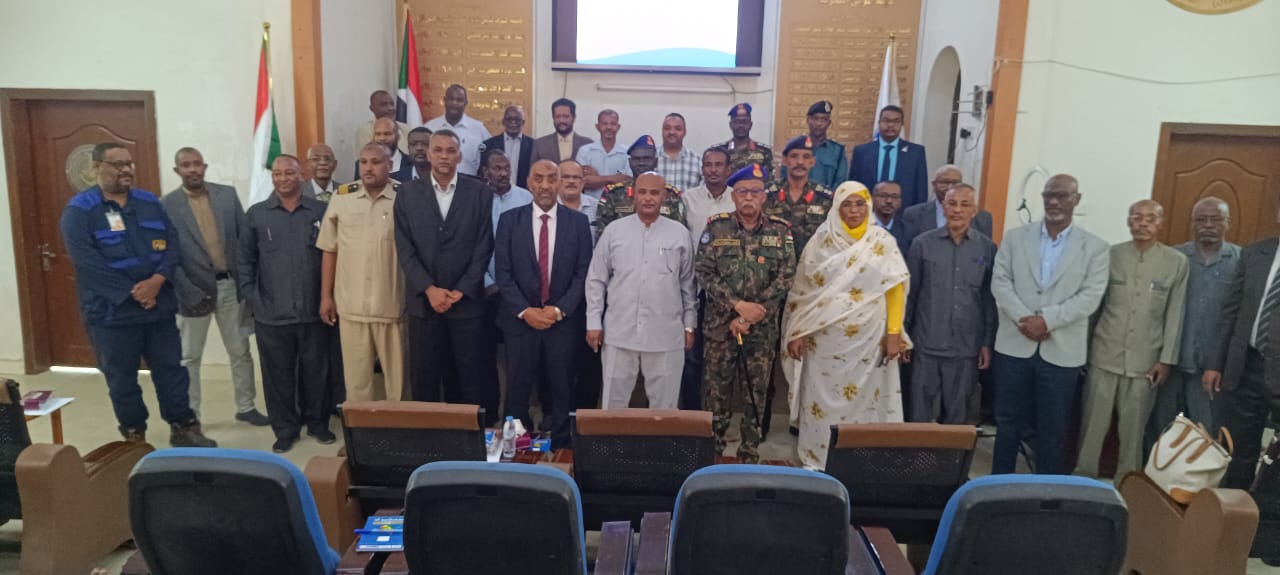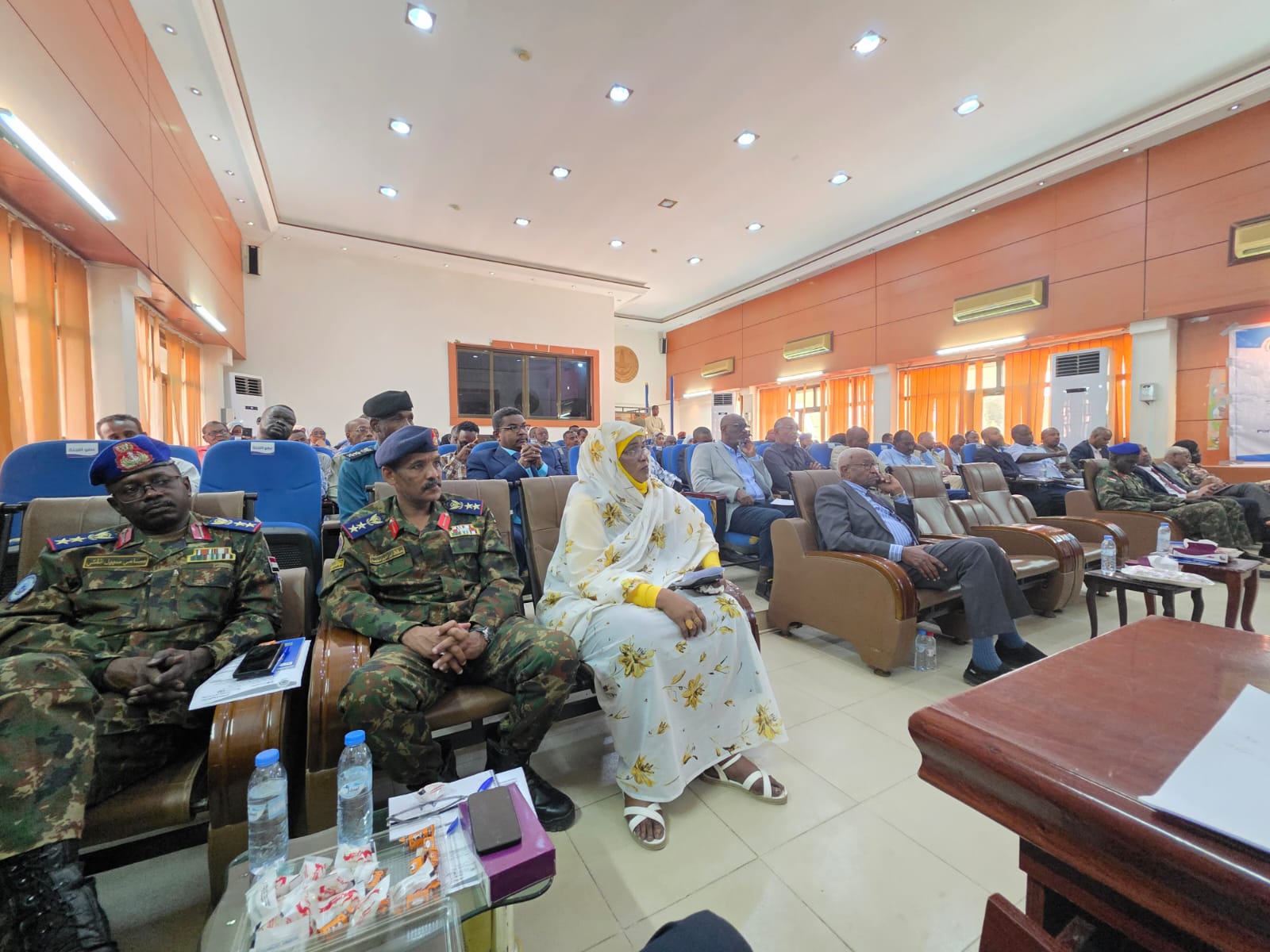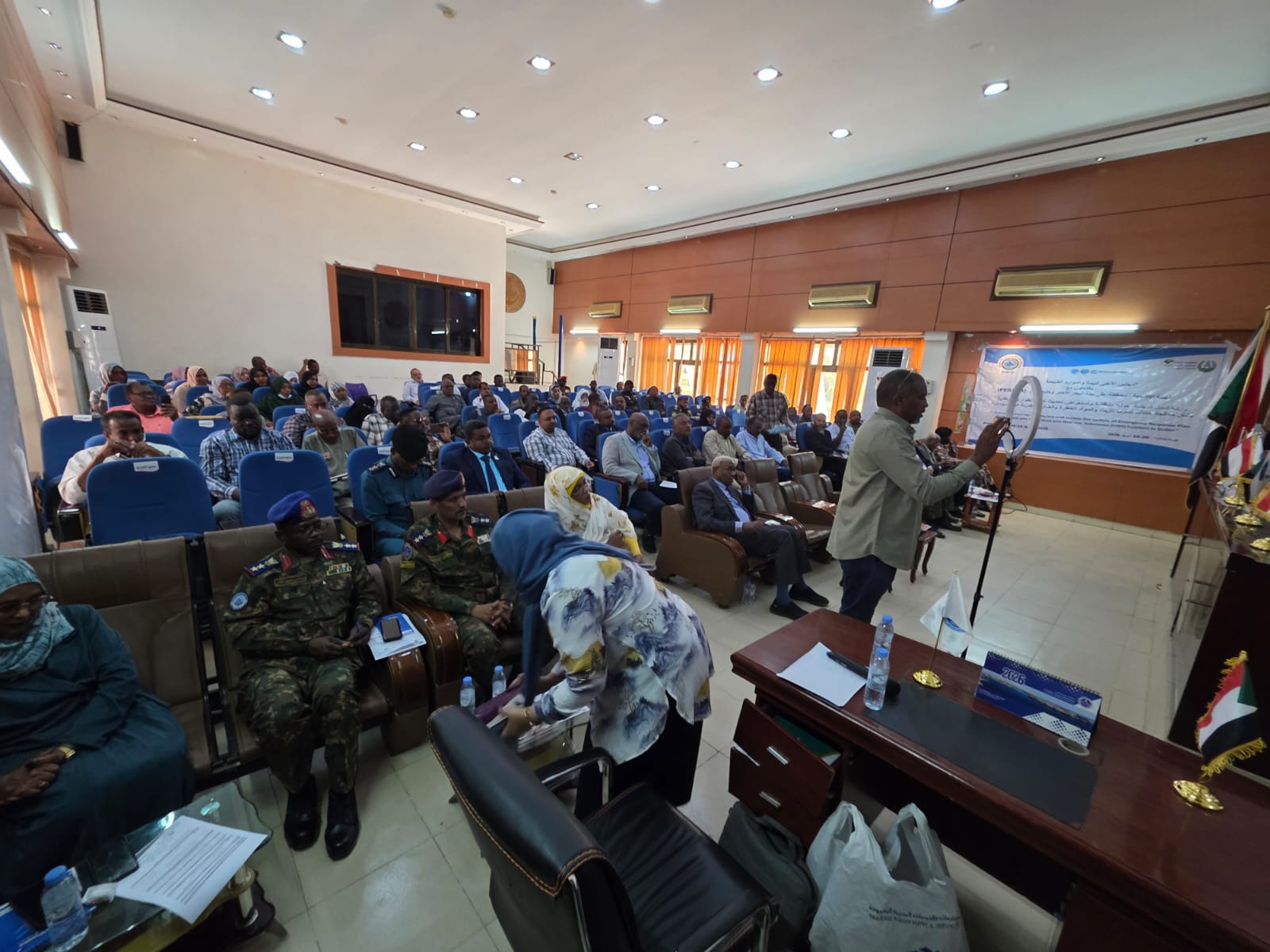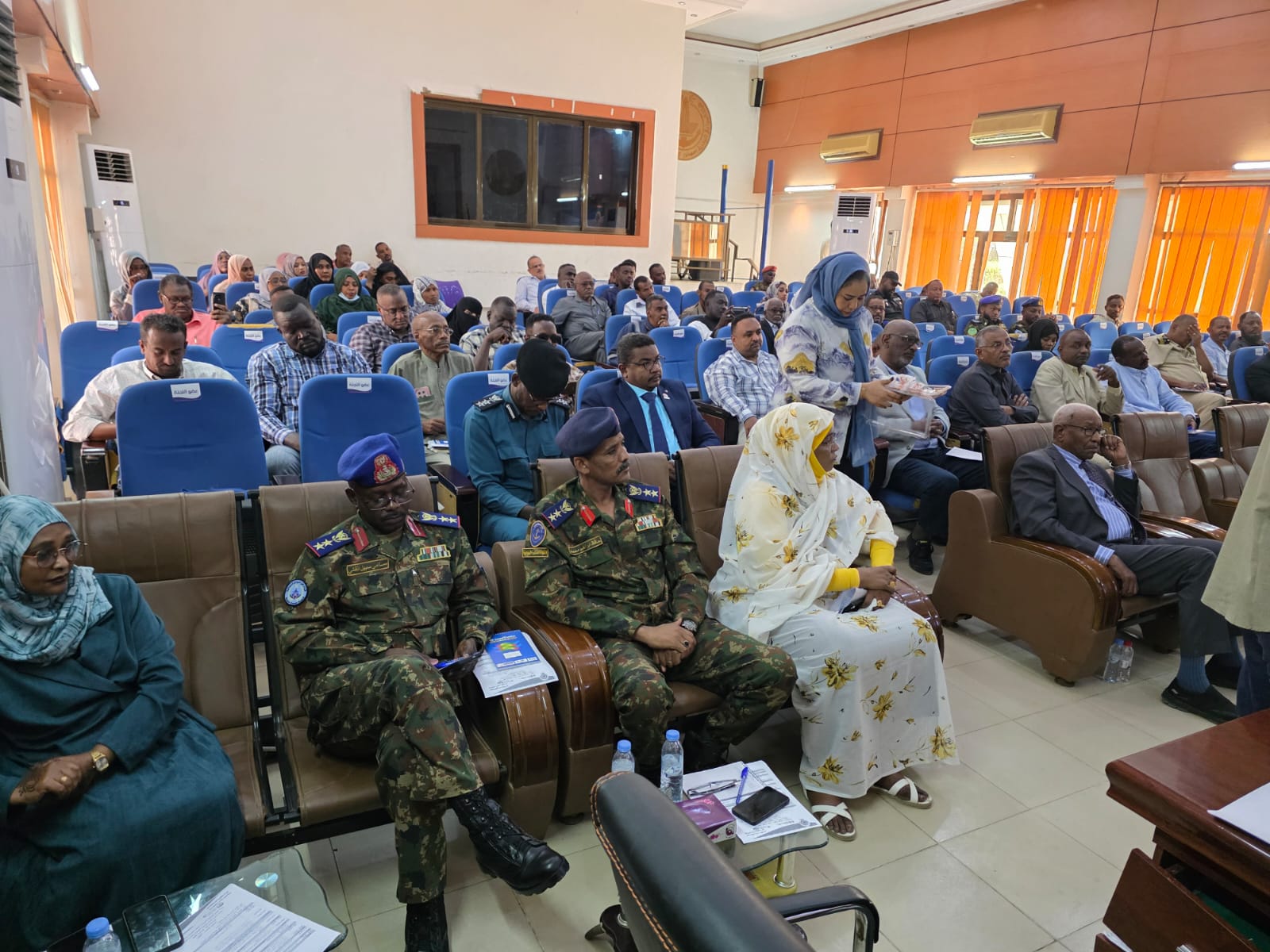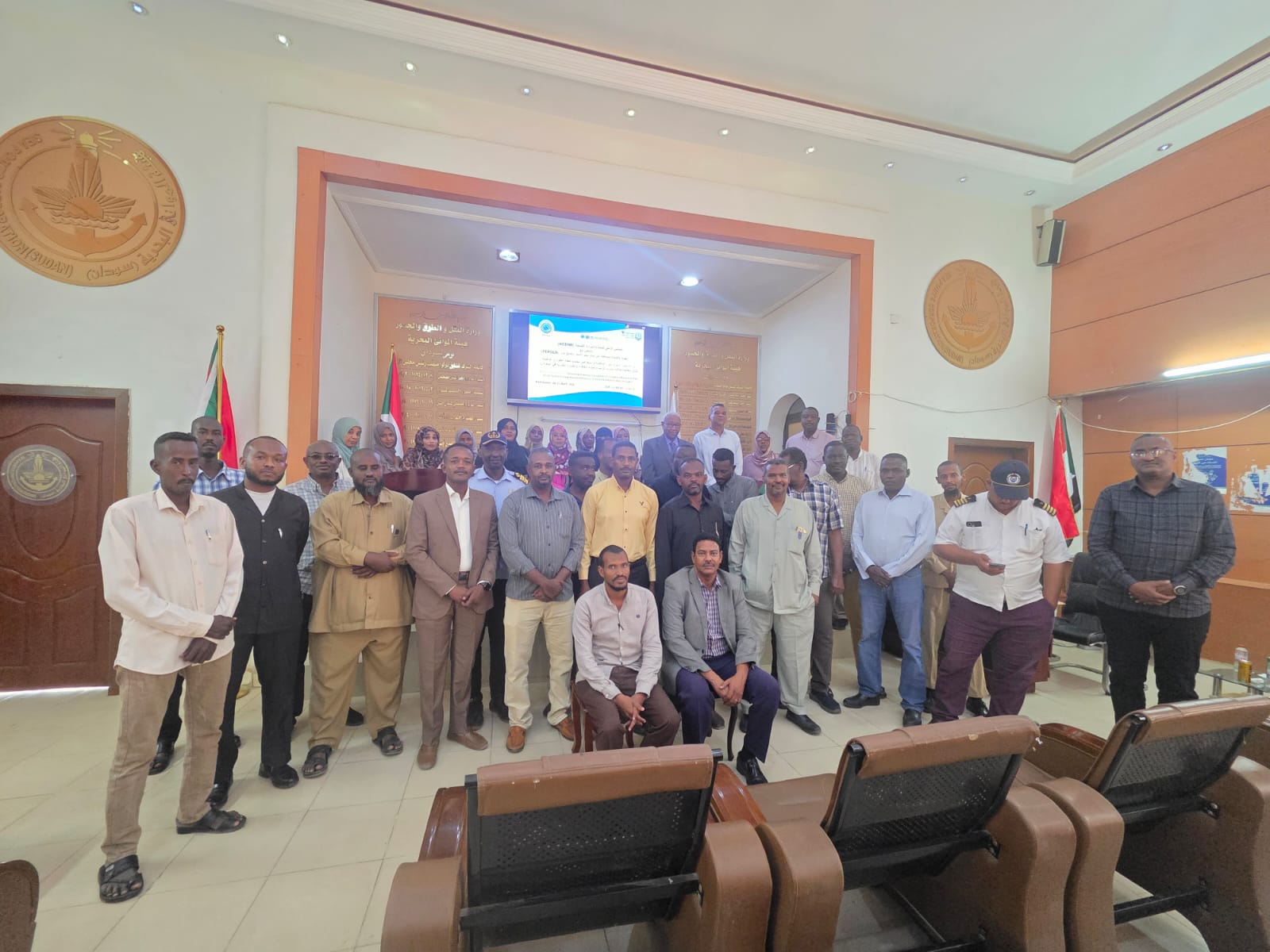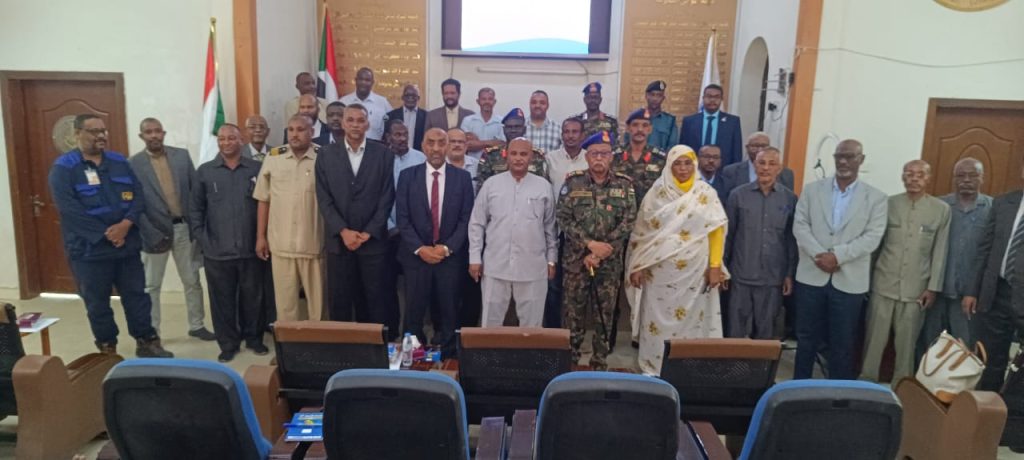
Within the framework of implementing the activities of the regional project “Sustainable Fisheries Development in the Red Sea and Gulf of Aden (SFISH)”, the Regional Organization for the Conservation of the Environment of the Red Sea and Gulf of Aden (PERSGA), in collaboration with the Higher Council for Environment and Natural Resources of the Republic of Sudan, organized a national workshop entitled: “Review and Discussion of the Updated National Emergency Plan for Oil Spills and HNS in Sudan.” The workshop was held from 20–23 April 2026 in Port Sudan, with the participation of 71 representatives from various national entities on the first day.
The workshop was inaugurated by representatives of the Higher Council for Environment and Natural Resources and PERSGA, along with the Commander of the Naval Forces and Red Sea Military Zone, in addition to the Director of the Sea Ports Corporation. Their opening remarks emphasized the strategic importance of Sudan’s coastal areas and their rich natural resources and clean environment. They also highlighted the achievements of the project and its implemented activities in Sudan, as well as the importance of developing and adopting the national marine emergency plan by the National Planning and Follow-up Committee.
During the first day, the national expert Dr. Mahgoub Hassan presented an overview of the national plan draft, including its objectives and historical background, as well as the updates and additions introduced. The presentation also explained the operational mechanisms of the plan and coordination procedures with regional and international centers. Furthermore, it addressed existing challenges and proposed practical and effective recommendations to overcome them.
Following the presentation, the floor was opened for discussion, which resulted in constructive and fruitful exchanges on coordination mechanisms among concerned stakeholders, the effectiveness of joining relevant international conventions and protocols, the importance of information sharing, and the organizational structure of the response center. At the end of the first day, the National Emergency Plan for Oil Spill and HNS Response in Sudan was formally endorsed by the National Planning and Follow-up Committee.
The workshop was accompanied by a three-day capacity-building training program targeting the national response team for oil spill and hazardous and noxious substances incidents. Participants were introduced to the risks and impacts of oil and hazardous substance spills, relevant international conventions on response operations, frameworks for national, regional, and international cooperation, as well as response centers, technical equipment, shoreline cleanup techniques, and environmentally sensitive areas along the Sudanese coast. A table-top exercise on spill response and the role of media in crisis management was also conducted.
A total of 44 participants from various government institutions took part in the training program. The workshop concluded with several key recommendations, including:
- Accession to international conventions related to civil liability and the International Oil Pollution Compensation Fund
- Completion of response centers, waste reception facilities, and operations rooms
- Establishment and support of a national field response team
- Creation of a funding mechanism and determination of contributions from relevant stakeholders and beneficiary companies
- Repetition of such training workshops to further strengthen national response capacities
- Approval of the plan and submission for endorsement by the Council of Ministers